Sprinkler Repair and Installation
Sprinkler repair services focus on diagnosing and correcting issues within existing irrigation systems to restore proper coverage, efficiency, and reliability. Serving Lake Mary, Winter Park, Maitland, and surrounding Orlando-area communities, Quality Services helps homeowners and property managers resolve common sprinkler problems such as leaks, pressure irregularities, malfunctioning valves, wiring issues, and uneven water distribution.
Rather than replacing entire systems unnecessarily, professional sprinkler repair prioritizes accurate troubleshooting and targeted corrections. By identifying the root cause of system failures—whether mechanical, hydraulic, or controller-related—repairs can extend the life of an irrigation system while improving performance and water efficiency.
Sprinkler Repair Services Include:
- Troubleshooting sprinkler zones, valves, wiring, and irrigation controllers
- Locating and repairing leaks or damaged irrigation lines
- Diagnosing pressure-related issues caused by valves, pumps, or well systems
- Repairing damage related to electrical faults or lightning-related controller failures
- Replacing or adjusting sprinkler heads and nozzles to restore proper coverage
Many sprinkler problems develop gradually and are often misdiagnosed as isolated component failures. In Central Florida, sandy soils, fluctuating water pressure, and seasonal rainfall patterns can accelerate wear on valves, seals, fittings, and electrical components. Proper diagnosis ensures repairs address the underlying cause rather than just the visible symptom, helping reduce repeat failures and unnecessary water waste.
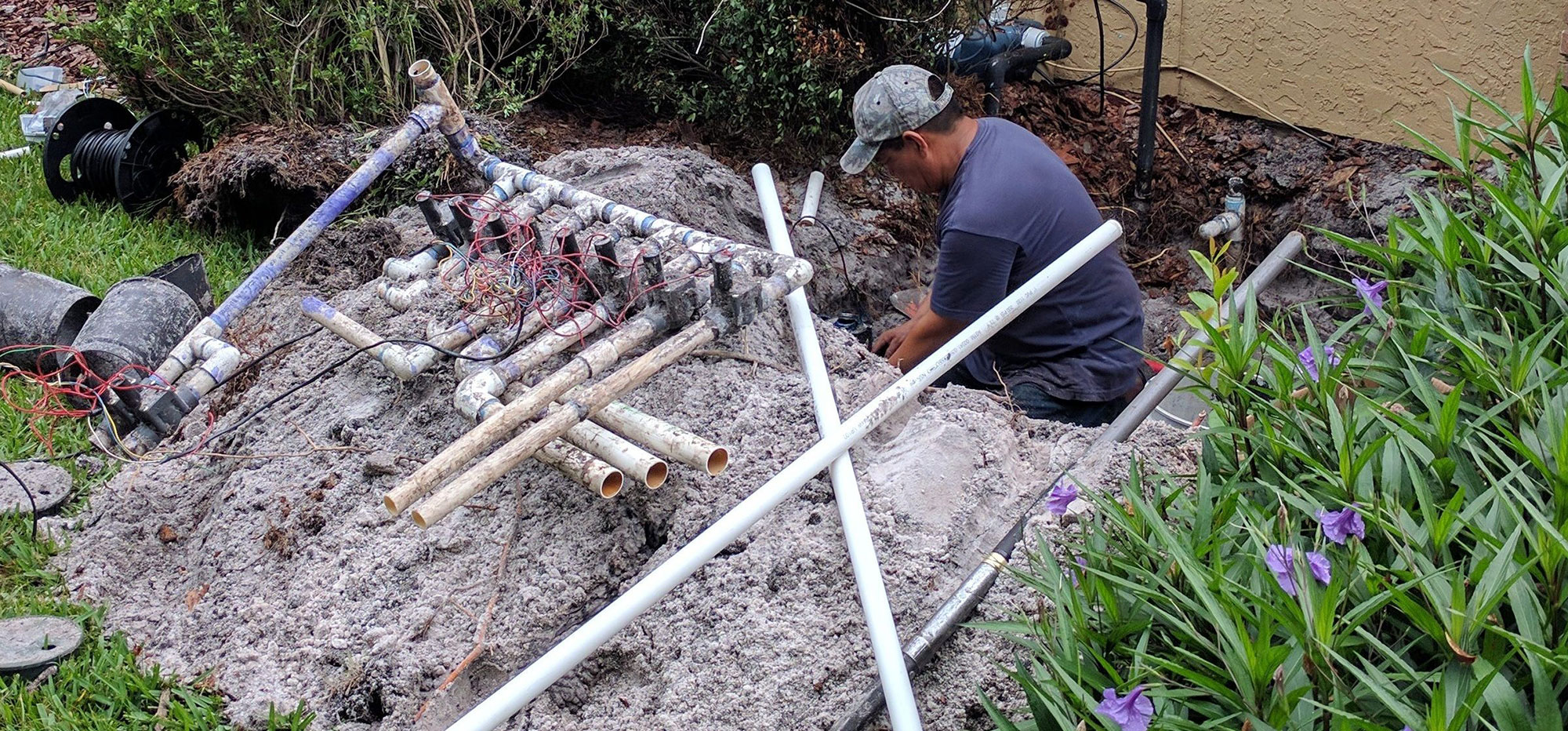
Irrigation repair and installation services are designed to restore system performance while supporting the long-term health of your landscape. As a state-licensed irrigation contractor (IS0000324), Quality Services applies proven diagnostic methods and repair solutions tailored to the needs of properties in Lake Mary and the greater Orlando, Florida area to ensure efficient water distribution and reliable operation.
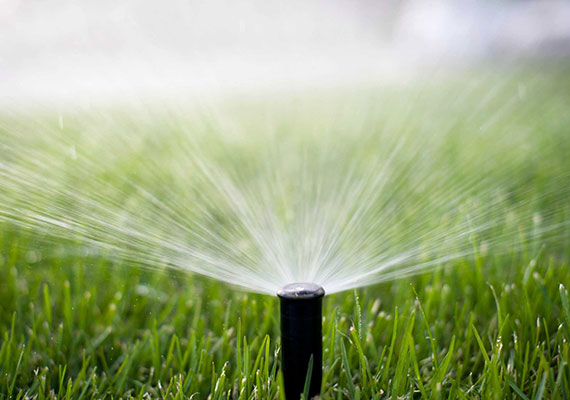
Technicians diagnose and resolve issues such as leaks, stuck or failing valves, pressure inconsistencies, controller faults, and uneven coverage that can lead to water waste and declining system performance. When problems are isolated or efficiency drops, professional repair is often the most effective first step before evaluating broader system layout, zoning, or efficiency considerations addressed through sprinkler and irrigation services.
When installation, system expansion, or redesign becomes necessary, irrigation solutions can be tailored to the property’s layout, plant requirements, and water-efficiency goals. Modern components and thoughtful system design help deliver consistent coverage, responsible water use, and a healthier, more sustainable landscape over time.
Call us today! 407-314-9852
Understanding How Sprinkler System Components Work Together
A sprinkler system depends on several connected components working in sequence. The irrigation controller sends an electrical signal, wiring carries that signal to the appropriate valve, and the valve releases water into a specific zone. Pipes then deliver the water to sprinkler heads, rotors, or nozzles that distribute it across the landscape.
Because these components operate together, the visible symptom may not reveal the actual source of the problem. A dry area may be caused by a damaged sprinkler head, but it can also result from a wiring fault, a valve that does not open fully, restricted water flow, or inadequate pressure. A zone that continues watering may involve the controller, electrical wiring, debris inside a valve, or a mechanical valve failure.
Properties may use different methods to direct water between zones. Understanding the difference between sprinkler system index valves and electric valves helps explain why the correct diagnostic process can vary from one irrigation system to another.
Accurate troubleshooting follows the system from the controller to the point where water reaches the landscape. For properties in Lake Mary and surrounding Central Florida communities, this whole-system approach helps Quality Services identify the underlying failure, avoid unnecessary component replacement, and restore dependable sprinkler performance.
Diagnosing Sprinkler Valve and Zone-Control Problems
Once the relationship between controllers, wiring, valves, and sprinkler zones is understood, valve behavior becomes an important part of the diagnostic process. Each valve controls the flow of water to a specific area of the landscape, so a single failure can affect every sprinkler head connected to that zone.
Common signs of a valve or zone-control problem include:
- A sprinkler zone that does not turn on
- A zone that continues running after the controller shuts off
- Weak water flow across several heads in the same area
- Water leaking from sprinklers between scheduled cycles
- One zone operating differently from the rest of the system
These symptoms do not always mean that the valve itself must be replaced. A zone that will not operate may have a damaged wire, a failed solenoid, a controller fault, restricted water flow, or a valve that is not opening completely. A zone that will not shut off may be affected by debris, internal valve damage, or a mechanical condition similar to those involved in a stuck sprinkler valve that will not turn off.
Water quality can also influence valve performance. Sediment and debris may interfere with internal components, preventing a valve from opening or closing properly. Equipment designed to manage debris, such as the Rain Bird PESB scrubber valve, may be appropriate for certain irrigation systems, but selecting the right components depends on the property’s water source, operating conditions, and the underlying cause of the problem.
Accurate diagnosis may involve testing the controller signal, wiring, valve response, water flow, and overall zone performance. Evaluating these connected conditions helps determine whether a failure is electrical, mechanical, or hydraulic while reducing the risk of replacing components that are still functioning correctly.
Restoring Even Coverage with the Right Sprinkler Heads and Nozzles
After valve and zone-control problems have been ruled out, the next step is to examine how water is being distributed across the landscape. A zone may turn on correctly and still leave dry areas, create overspray, or produce runoff when sprinkler heads and nozzles are damaged, clogged, misaligned, or poorly matched.
Common coverage problems include:
- Dry areas between neighboring sprinklers
- Water spraying onto driveways, sidewalks, or buildings
- Heads that do not rise fully or rotate correctly
- Nozzles producing weak, uneven, or distorted spray patterns
- Runoff caused by water being applied faster than the soil can absorb it
Replacing a damaged head or nozzle does not always correct the larger coverage problem. Sprinklers operating within the same zone should have compatible precipitation rates, spacing, spray patterns, and pressure requirements. Mixing components that apply water at substantially different rates can leave one part of the landscape too wet while another area remains dry.
The right equipment also depends on the size and shape of the watering area, the available water pressure, and the system’s water source. The differences between Hunter PGP rotors and MP Rotator nozzles illustrate why product selection should be based on actual site conditions rather than replacing every sprinkler with the same type of component.
Water quality should be considered as well. Small nozzle openings may be more vulnerable to sediment, mineral buildup, or debris, particularly when a system uses well, lake, or reclaimed water. These operating conditions can affect the long-term performance of products such as Rain Bird rotary nozzles and should be evaluated before new components are installed.
Restoring even coverage may require cleaning or replacing nozzles, adjusting spray direction and distance, correcting pressure, raising settled heads, or matching equipment more closely across the zone. Evaluating the complete watering pattern helps correct the cause of uneven distribution instead of repeatedly addressing individual dry spots.
Identifying the Cause of Recurring Sprinkler System Failures
When the same sprinkler problem continues to return after multiple repairs, the issue often extends beyond a single broken component. Replacing one valve, sprinkler head, or nozzle may restore operation temporarily, but recurring failures usually indicate an underlying condition affecting the entire irrigation system.
Common causes of repeated sprinkler problems include:
- Sediment or debris entering the irrigation system
- Inconsistent or excessive water pressure
- Aging valves, wiring, or underground piping
- Root intrusion around pipes and sprinkler components
- Equipment that is no longer properly matched across irrigation zones
Water quality is frequently overlooked during troubleshooting. Properties supplied by wells, lakes, or reclaimed water may introduce sand, organic material, or other debris that gradually interferes with valves, sprinkler heads, and nozzles. Installing the appropriate Installing the appropriate irrigation water filtration system may help reduce recurring maintenance issues when poor water quality is identified as a contributing factor.
Recurring failures can also develop gradually as landscapes mature. Tree roots may shift underground piping, soil movement can affect sprinkler head alignment, and changes to planting beds may alter how water is distributed across a property. What originally functioned well may no longer provide consistent irrigation years later.
Rather than focusing on the most visible symptom, identifying the underlying cause helps prevent repeated service calls and unnecessary component replacement. Evaluating the irrigation system as a whole provides a more reliable foundation for long-term sprinkler performance.
When Sprinkler Repair Is Appropriate—and When the System Needs More
As recurring issues are identified and their underlying causes become clearer, the next decision is whether targeted repairs will restore reliable performance or if the irrigation system has reached the point where broader improvements make better long-term sense. Many sprinkler systems continue operating effectively for years with routine maintenance, while others become increasingly difficult to maintain because of outdated layouts, aging components, or changing landscape needs.
Sprinkler repair is often the appropriate solution when problems are isolated, such as:
- A broken sprinkler head or nozzle
- A leaking pipe or fitting
- A malfunctioning valve or solenoid
- A wiring or controller issue affecting a single zone
- Pressure or coverage adjustments within an otherwise functional system
A more comprehensive approach may be worth considering when repairs become frequent, multiple zones experience recurring problems, or the irrigation system no longer matches the property’s current landscape. Expanding planting beds, adding trees, installing new hardscapes, or changing water-use requirements can all affect how efficiently an older system performs.
In these situations, evaluating the signs that it may be time for a new sprinkler system can help determine whether continued repairs remain cost-effective. Likewise, understanding what separates a cheap sprinkler system from a reliable one highlights how system design, component quality, and proper zoning influence long-term performance.
Determining the right path depends on the overall condition of the irrigation system rather than a single failed component. When repairs are no longer the most practical solution, a properly planned irrigation installation can improve coverage, water efficiency, and long-term reliability while supporting the landscape as it continues to evolve.
Sprinkler Repair FAQs
Professional Sprinkler Repair Requires More Than Replacing Parts
Professional sprinkler repair is about more than replacing parts—it requires accurate diagnosis, an understanding of system behavior, and adjustments that restore efficiency without unnecessary disruption. For homeowners throughout Lake Mary and the greater Orlando, Florida area, addressing sprinkler issues early helps protect landscapes, conserve water, and extend the life of existing irrigation systems. When performance declines or problems persist, a focused repair approach provides clarity, reliability, and long-term value.