
Testimonials









Plant Establishment After Landscape Installation in Lake Mary, FL: Understanding the First Year
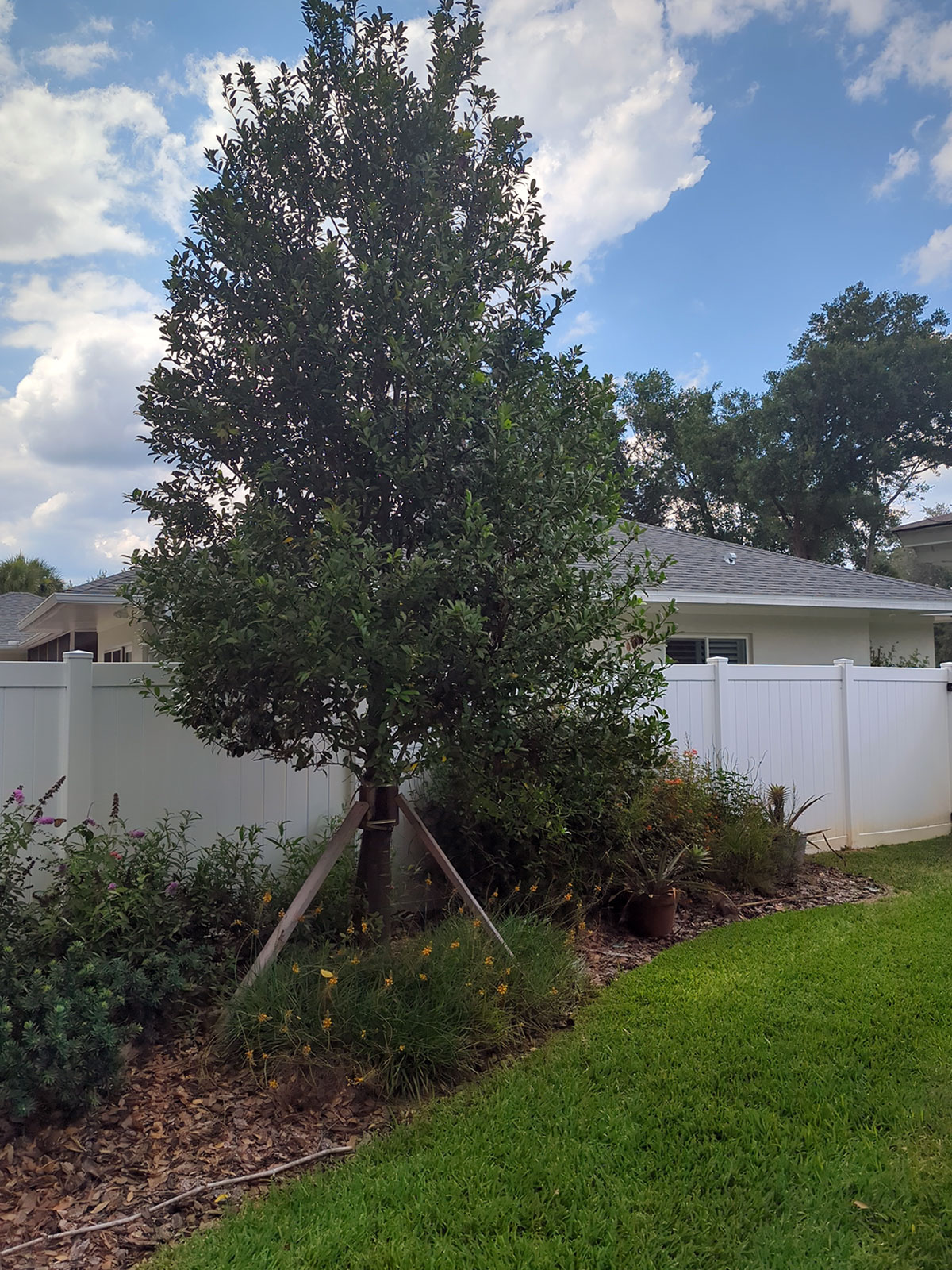
A landscape installation project does not end when the last tree is planted or the final piece of sod is laid. In many ways, installation marks the beginning of a new phase as plants, trees, shrubs, and turf begin adapting to their new environment.
Throughout Lake Mary, Winter Park, Maitland, and surrounding Orlando-area communities, newly installed landscapes face a period of adjustment known as establishment. During this time, root systems expand, plants acclimate to site conditions, and the landscape begins transitioning from a newly installed project into a mature outdoor environment.
Many landscape concerns that appear after installation are not necessarily signs of failure. Some are part of the normal establishment process. Understanding what to expect during the weeks and months following installation can help homeowners recognize healthy development, identify potential concerns early, and support long-term landscape success.
What Is Plant Establishment?
Plant establishment is the process through which newly installed trees, shrubs, sod, and other landscape materials develop roots into the surrounding soil and adapt to their permanent location.
While a new landscape may appear finished above ground, much of the important work occurs below the surface. Roots begin expanding beyond the original root ball, seeking water, nutrients, and stability within the surrounding soil.
This root development phase is critical because healthy root systems ultimately determine how well plants tolerate drought, rainfall fluctuations, seasonal weather changes, and other environmental conditions.
The length of the establishment period can vary depending on:
- Plant type
- Plant size
- Soil conditions
- Weather patterns
- Water availability
- Overall site conditions
Some plants establish relatively quickly, while larger trees and more complex landscape installations may require considerably more time before reaching full maturity.
What Homeowners Should Expect During the First Few Weeks
The first several weeks following installation often create the greatest uncertainty for homeowners because newly installed landscapes rarely look exactly the same as they did on installation day.
Some temporary adjustment is completely normal during the establishment process.
Plants may focus energy on root development rather than visible top growth. Trees and shrubs may show signs of minor transplant stress while adapting to new soil conditions. Newly installed sod may experience temporary color variations as roots begin attaching to the soil below.
It is not uncommon for newly installed plants to wilt temporarily or for newly planted trees to show mild signs of stress while adapting to new site conditions.
Transplant stress does not automatically indicate a problem. Moving plants from a nursery environment into a permanent landscape location creates a period of adjustment as the plant adapts to changes in sunlight, soil conditions, moisture levels, and temperature.
In many cases, patience is just as important as intervention. Understanding what constitutes normal adjustment helps prevent unnecessary changes that may actually increase stress during establishment.
The Importance of Proper Watering After Installation
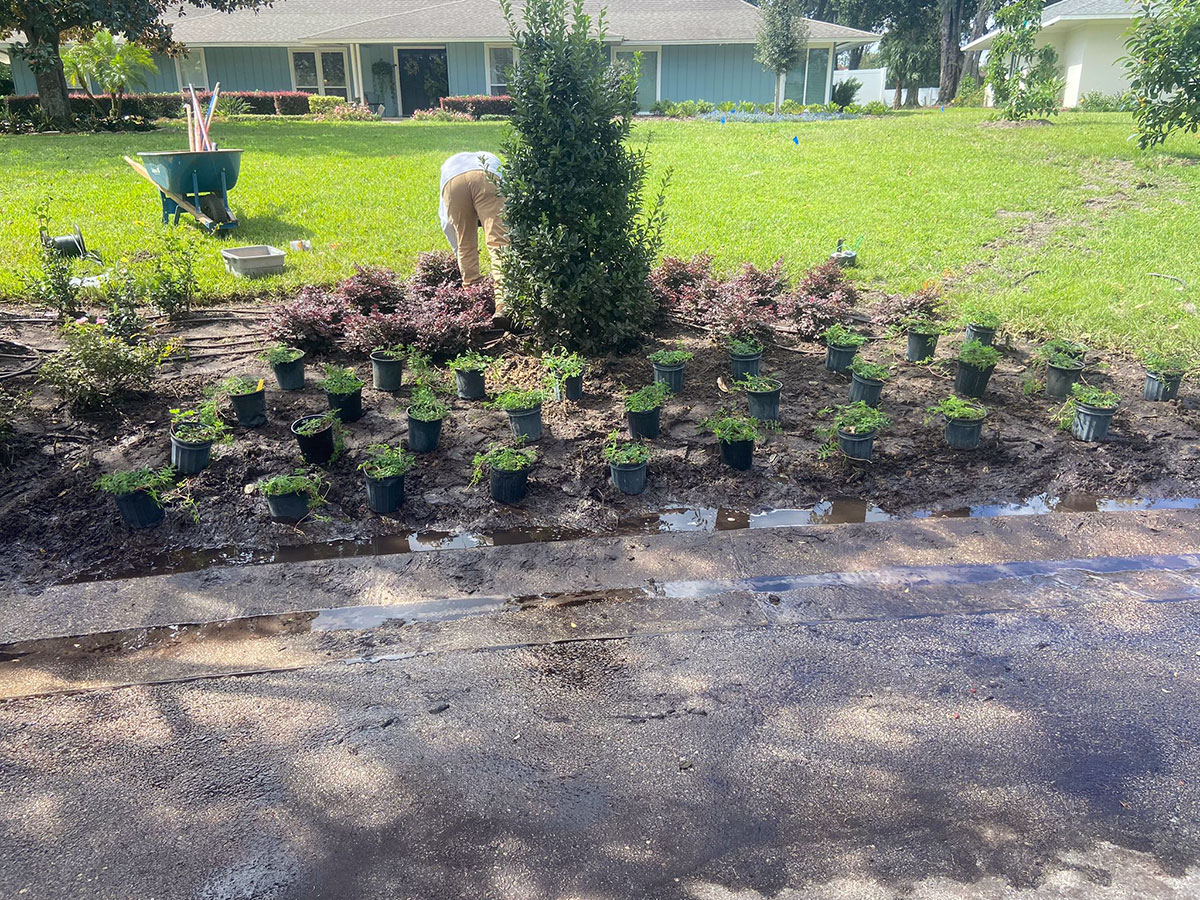
Water management is one of the most significant factors affecting establishment success.
Newly installed plants do not yet have extensive root systems capable of drawing moisture from a large area. As a result, consistent watering is often necessary while roots continue developing.
The goal is not simply to apply more water. The objective is to provide appropriate moisture levels that encourage healthy root growth without creating excessively saturated conditions.
Both underwatering and overwatering can create problems during establishment.
Extended dry periods may slow root development and increase plant stress. Excessively wet conditions can reduce oxygen availability within the soil and create unfavorable growing conditions.
Many successful landscape projects incorporate irrigation planning during installation to help maintain consistent moisture levels during the establishment period. When new systems or upgrades are needed, a properly designed Irrigation Installation system can help support more reliable water distribution throughout the landscape.
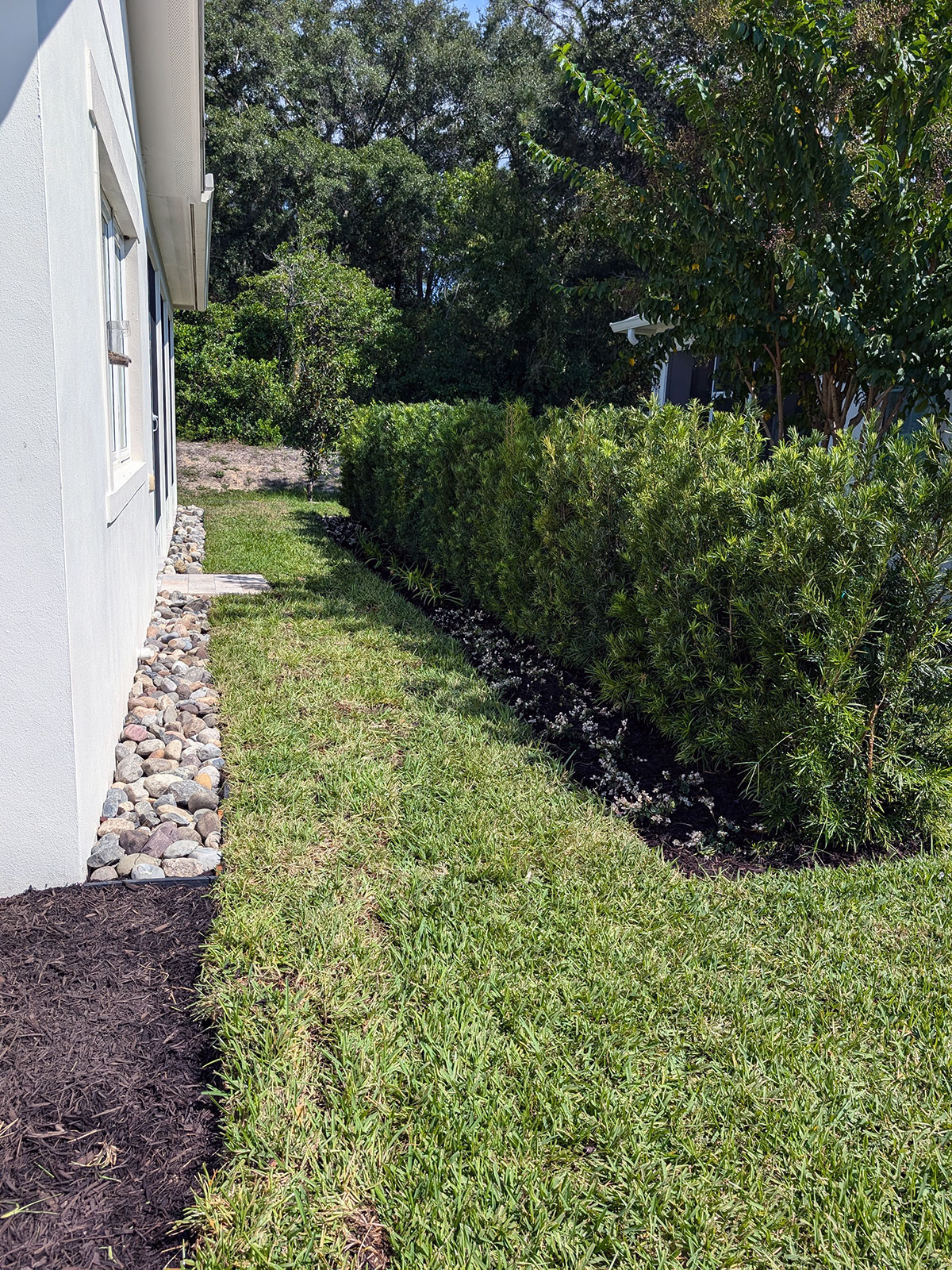
How Long Does Sod Take to Establish?
One of the most common questions homeowners ask after installation is, “How long does sod take to root?”
The answer depends on weather conditions, irrigation consistency, soil preparation, and turf variety. However, sod establishment generally occurs in stages rather than all at once.
During the initial phase, roots begin attaching to the soil beneath the sod. As rooting progresses, the turf becomes increasingly stable and better able to access moisture and nutrients from the surrounding soil.
Several factors influence sod establishment:
- Temperature
- Rainfall patterns
- Soil preparation quality
- Irrigation consistency
- Turf variety
Minor color variations can occur during this period as the turf adapts to site conditions. Limiting foot traffic until rooting has occurred helps prevent unnecessary stress and movement during establishment.
What Newly Installed Trees and Shrubs Need Most
Trees and shrubs often establish differently than turf. While homeowners may focus on visible growth above ground, newly installed trees frequently dedicate much of their energy toward root development during the first year.
Several factors contribute to successful establishment:
- Consistent watering
- Proper planting depth
- Appropriate mulch coverage
- Protection from unnecessary stress
- Monitoring during extreme weather conditions
Mulch can help regulate soil temperature and moisture retention around root zones. However, excessive mulch accumulation around trunks should be avoided because it may create conditions that interfere with healthy plant development.
It is also important to understand that visible growth rates may vary considerably between species. Some plants establish quickly while others require additional time before producing significant new growth.
Warning Signs That a New Landscape May Be Struggling
Although some adjustment is normal, certain conditions may indicate that closer evaluation is warranted.
Potential warning signs include:
- Persistent wilting despite appropriate watering
- Progressive leaf discoloration
- Areas of sod that fail to root
- Exposed roots
- Unexpected erosion
- Settlement affecting planting areas
- Standing water following rainfall
The presence of one symptom does not automatically indicate failure. However, ongoing issues should not be ignored.
Some conditions are simply part of the normal establishment process, while others may be traced back to common landscape installation mistakes made during project planning or construction.
Because establishment success is closely tied to installation quality, site preparation, and plant selection, homeowners experiencing concerns may benefit from reviewing the original installation approach. A well-planned landscape installation project accounts for site conditions, plant placement, and long-term performance from the beginning.
Many of the issues that affect plant establishment can be reduced through careful planning before work begins. Our guide to planning a successful landscape installation project explains how site evaluation, grading, drainage, irrigation coordination, and plant selection work together to support healthier long-term landscape performance.
Why Site Conditions Continue to Matter After Installation
Even after installation is complete, site conditions continue influencing landscape performance.
Sun exposure, soil composition, grading, and water availability all affect how successfully plants establish. Areas that remain excessively wet or excessively dry may experience different establishment rates than surrounding portions of the property.
This is one reason successful landscape projects focus on more than appearance alone. Long-term performance depends on how well plant material adapts to the conditions present on the site.
Landscapes that appear uniform immediately after installation may begin responding differently as individual site conditions become more apparent over time.
The First Year After Landscape Installation
The first year is often a period of observation, adjustment, and gradual development.
Landscapes installed throughout Lake Mary, Winter Park, Maitland, and surrounding Orlando-area communities may establish at different rates depending on seasonal rainfall patterns, sun exposure, and site-specific conditions.
During this time homeowners may notice:
- Seasonal growth changes
- Different establishment rates between plant varieties
- Gradual increases in landscape density
- Changes in watering requirements
- Improved resilience as root systems mature
This timeline varies from project to project. Some portions of the landscape may establish more quickly than others, while larger plant material may require additional time to fully adapt.
Some plants may appear to grow slowly during the first year because energy is being directed toward root development rather than visible top growth. This is often a normal part of the establishment process.
Patience is often an important part of the establishment process, particularly when root development is occurring below the surface before significant visible growth appears.
Long-Term Success Begins After Installation
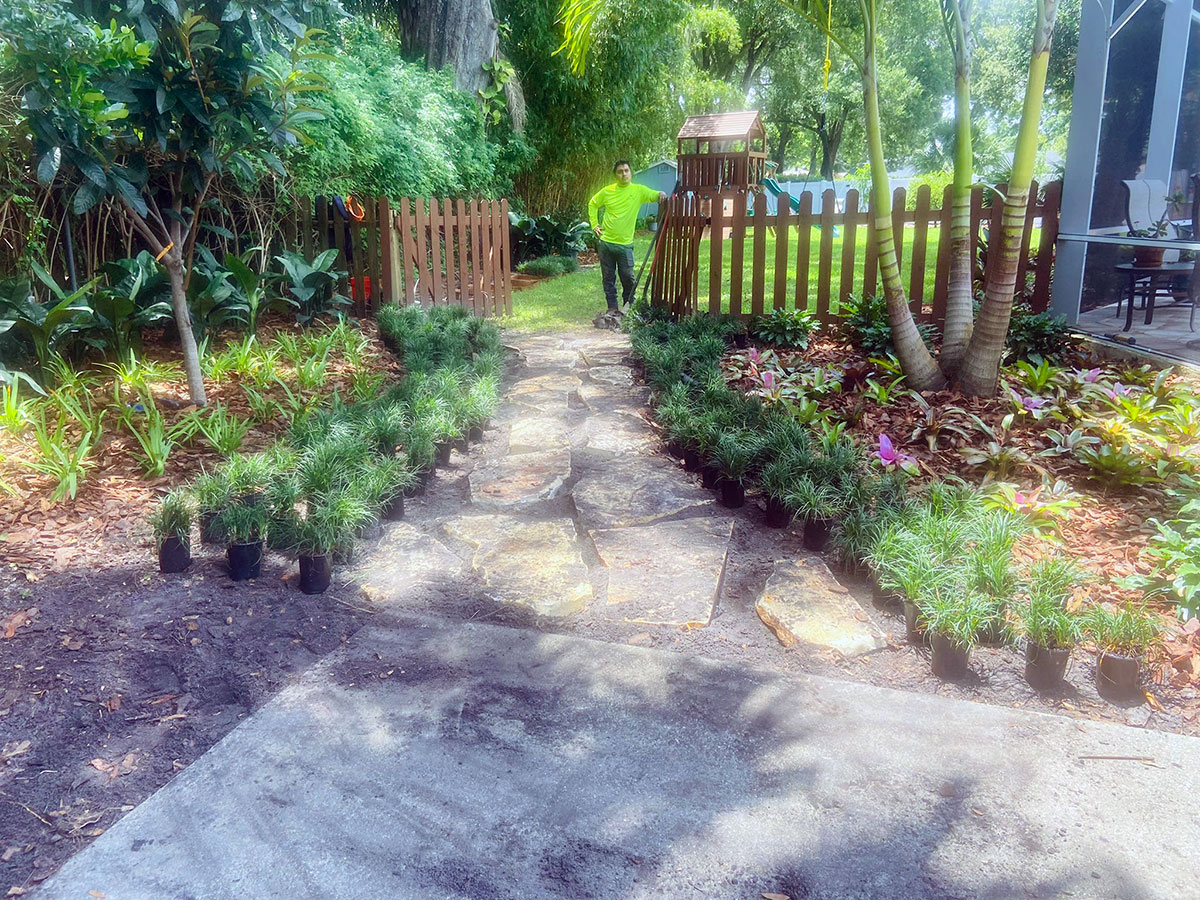
A professionally installed landscape creates the foundation for long-term performance, but establishment is what transforms that installation into a mature, thriving landscape.
Successful landscapes are not defined solely by installation day. Long-term performance is influenced by how well plant material establishes, adapts to site conditions, and develops healthy root systems during the months that follow.
Root development, watering practices, environmental conditions, and ongoing observation all influence how successfully a landscape adapts after installation.
By understanding what is normal during establishment, recognizing potential warning signs, and maintaining realistic expectations, homeowners throughout Lake Mary, Winter Park, Maitland, and the greater Orlando area can help support the long-term success of their landscape investment.
Frequently Asked Questions About Plant Establishment After Landscape Installation
Contact Quality Services for Landscape Installation in Lake Mary & the Orlando Area
Whether you are installing a new landscape, renovating an existing outdoor space, or replacing aging plant material, proper planning and establishment are critical to long-term success. Quality Services provides professional landscape installation services throughout Lake Mary, Winter Park, Maitland, and surrounding Orlando-area communities, helping homeowners create landscapes designed for lasting performance and curb appeal.
Call us at (407) 314-9852 or email [email protected] to schedule a consultation and learn how a professionally planned landscape installation can help enhance your property.
Quality Services provides professional landscape installation services in Lake Mary Florida. Our trusted and professional landscape services are available in: Lake Mary, Florida, Heathrow, Winter Park, Maitland, Orlando, Longwood, Sanford, Altamonte Springs, Winter Springs, Oviedo, Wekiva Springs, Apopka, Casselberry, Debary and Seminole County Florida. We are located at 120 E. Crystal Lake Ave. Lake Mary, FL 32746.