Testimonials









Common Landscape Installation Mistakes in Lake Mary & the Orlando Area
Many landscape installation problems are not caused by poor plant material or severe weather. In many cases, the issues that appear months or even years later can often be traced back to decisions that were made before installation ever began. Whether improving an existing property in Lake Mary, updating an aging landscape in Winter Park, enhancing curb appeal in Maitland, or planning a renovation elsewhere in the surrounding Orlando area, proper planning often has a direct impact on long-term landscape performance.
Landscape installation involves much more than planting trees, shrubs, flowers, or installing new sod. Drainage conditions, grading, irrigation coverage, plant selection, hardscape placement, and installation sequencing all influence how successfully a landscape performs over time.
Many landscaping problems after installation occur because critical site conditions were overlooked during planning. Understanding some of the most common mistakes can help property owners avoid unnecessary expense, reduce future maintenance concerns, and improve the long-term success of their landscape investment.
Why Landscape Installation Problems Often Begin Before Installation
One of the biggest misconceptions about landscaping is that problems occur during installation.
In reality, many landscape installation failures begin long before the first plant is placed in the ground. Decisions involving drainage, grading, irrigation, material selection, and project sequencing frequently determine whether a landscape performs well over time.
Understanding why new landscaping fails often requires looking at decisions made during planning rather than the installation process itself.
While the specific conditions may vary from property to property, many of the landscape installation problems encountered throughout Lake Mary, Winter Park, Maitland, and surrounding Orlando-area communities tend to follow similar patterns involving drainage, grading, irrigation coordination, and installation sequencing.
When important site conditions are ignored during planning, the finished project may initially look attractive but develop problems as weather conditions, plant growth, and water movement begin to influence the property.
This is why successful landscape installations are typically approached as complete site-improvement projects rather than simple planting projects.
Many of these common landscape installation mistakes can be avoided through thoughtful project planning before work ever begins. Our guide to planning a successful landscape installation project explains how site evaluation, drainage, grading, irrigation coordination, and installation sequencing work together to support better long-term results.
Ignoring Drainage Conditions Before Landscaping Begins
One of the most common mistakes made before landscaping begins is failing to identify existing drainage concerns.
Areas that collect standing water after rainfall, remain saturated for extended periods, or experience erosion often indicate underlying drainage issues that should be addressed before installation begins. Simply adding new plants, mulch, decorative stone, or sod rarely solves the problem.
When drainage concerns are ignored, excess moisture can affect root development, encourage disease pressure, contribute to erosion, and reduce the lifespan of landscape improvements.
Recurring drainage issues should be evaluated before new landscape materials are installed because effective landscape drainage solutions often influence grading decisions, planting locations, and long-term landscape performance.
Overlooking Grading and Surface Water Movement
Drainage and grading are closely connected.
Even minor elevation changes can affect how water moves across a property. Areas that appear relatively flat may still contain low spots that collect water, create muddy conditions, or contribute to turf and planting problems.
Improper grading can also increase the likelihood of erosion, settlement, and uneven landscape performance over time. These issues are often much easier to address before landscaping is installed than after the project has been completed.
Properties with significant elevation changes may require additional planning to establish proper grades and maintain long-term stability.
When slopes or elevation changes affect planting areas, retaining walls in the Orlando Florida area are often part of the broader conversation about grade control, soil stability, and usable outdoor space.
Installing Landscape Features in the Wrong Order
Landscape projects frequently involve multiple components working together.
Drainage improvements, grading corrections, retaining walls, irrigation modifications, hardscape construction, planting bed preparation, and final landscaping all influence one another.
A common mistake is completing portions of the project out of order.
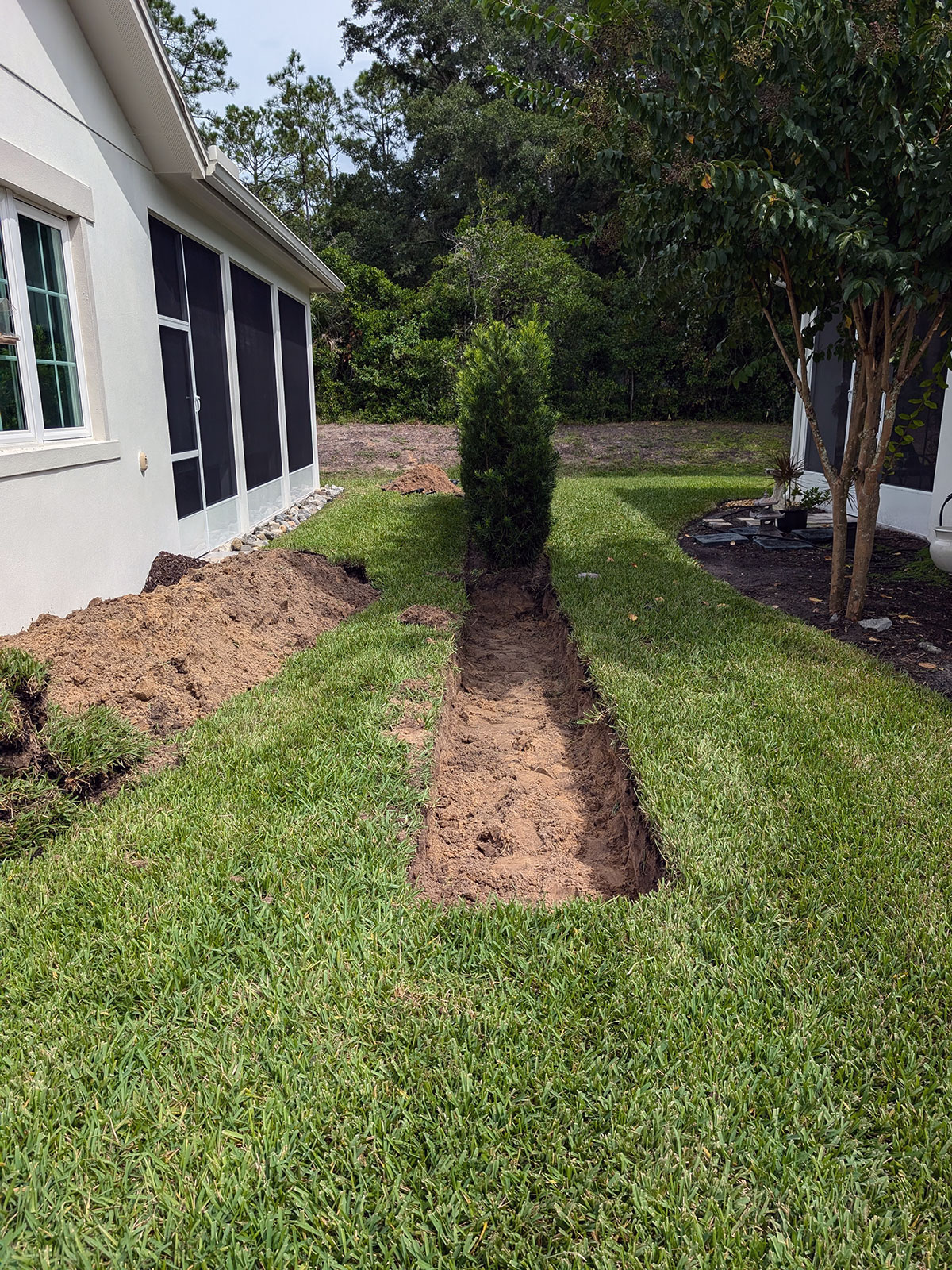
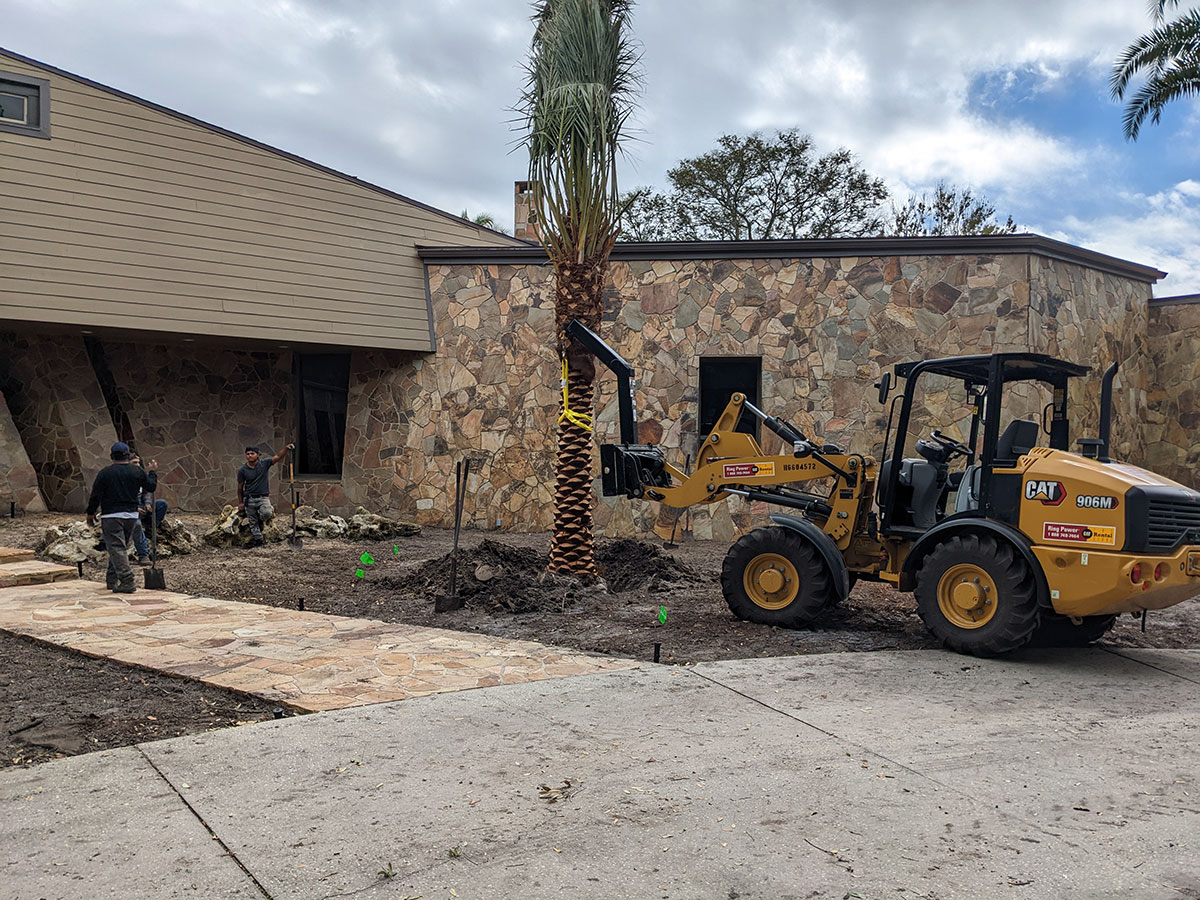
For example, installing planting beds before correcting drainage concerns or installing landscaping before hardscape construction can create unnecessary rework and increase project costs. Construction activities associated with grading, retaining walls, and hardscape installation can disturb newly installed landscaping and require portions of the project to be redone.
A successful landscape installation sequence typically begins with drainage and grading improvements before moving into structural elements, irrigation modifications, planting preparation, and final landscape installation.
When patios, walkways, retaining walls, edging, or structural surfaces are part of the project, hardscapes often need to be planned before final planting so grades, access, and finished landscape areas can be coordinated properly.
Installing Sod Before Correcting Site Problems
New sod can provide an immediate visual transformation, which often makes it one of the most anticipated phases of a landscape project.
However, installing sod before correcting existing site problems is a common mistake.
Drainage deficiencies, grading concerns, irrigation limitations, and soil issues do not disappear simply because new turf has been installed. In fact, these problems often become more noticeable once the lawn is expected to perform consistently.
When underlying issues remain unresolved, homeowners may experience thinning turf, recurring wet areas, uneven growth, or premature turf decline.
Addressing site conditions first helps create a stronger foundation for successful sod establishment and long-term lawn performance.
Choosing Plants Without Evaluating Site Conditions
Plant selection should involve more than appearance alone.
Sun exposure, available space, irrigation availability, drainage characteristics, soil conditions, and long-term maintenance expectations should all be considered when selecting plant material.
A common mistake is choosing plants based solely on how they look at the time of purchase. While a particular tree, shrub, or flowering plant may appear attractive, it may not be well suited for the specific conditions present on the property.
Landscapes throughout Lake Mary, Winter Park, Maitland, and the surrounding Orlando area often contain varying soil conditions, drainage characteristics, and sun exposure patterns within the same yard. Successful plant selection takes these variables into account and matches plant material to the environment where it will be expected to grow.
Failing to Coordinate Irrigation With New Landscaping
Irrigation plays an important role in plant establishment and long-term landscape health.
Unfortunately, irrigation systems are often evaluated only after landscaping has been installed.
New planting beds, expanded turf areas, and changes to the landscape layout may alter water requirements throughout the property. Existing irrigation systems that performed adequately before installation may no longer provide the coverage necessary to support new landscaping.
Evaluating irrigation requirements during the planning phase helps reduce future modifications and improves the likelihood of successful plant establishment.
When water coverage needs to change because of new planting beds, sod, or layout revisions, irrigation installation should be coordinated with the landscape plan rather than treated as a separate afterthought.
Prioritizing Immediate Appearance Over Long-Term Performance
One of the most expensive landscape installation mistakes is focusing entirely on how a project looks on completion day.
A newly installed landscape may appear impressive immediately after installation while still containing problems that affect long-term performance. Many landscaping problems after installation are not immediately visible and may take months or years to develop.
Overcrowded plantings, poor drainage, inadequate irrigation coverage, improper grading, and unrealistic maintenance expectations can all create issues that develop gradually over time.
Successful landscapes are planned with future growth, long-term maintenance, water management, and overall property performance in mind.
Long-term landscape performance also depends on how new trees, shrubs, sod, and other plant material are cared for after installation. Our guide to plant establishment after landscape installation explains the watering, early care, and establishment practices that help newly installed landscapes thrive.
Professional planning often focuses just as much on how the landscape will perform years later as it does on how it looks immediately after installation.
Why Landscape Installation Problems Are Often Expensive to Correct
Many landscape installation problems become more expensive because they are not discovered until after the project is complete.
Correcting grading issues may require removing portions of a newly installed lawn. Drainage improvements may disturb planting beds. Irrigation modifications can require excavation in finished landscape areas. Relocating mature plant material can be labor-intensive and costly.
This is one reason why thorough planning is so important before installation begins. Identifying potential concerns early often helps reduce corrective work later and improves the overall efficiency of the project.
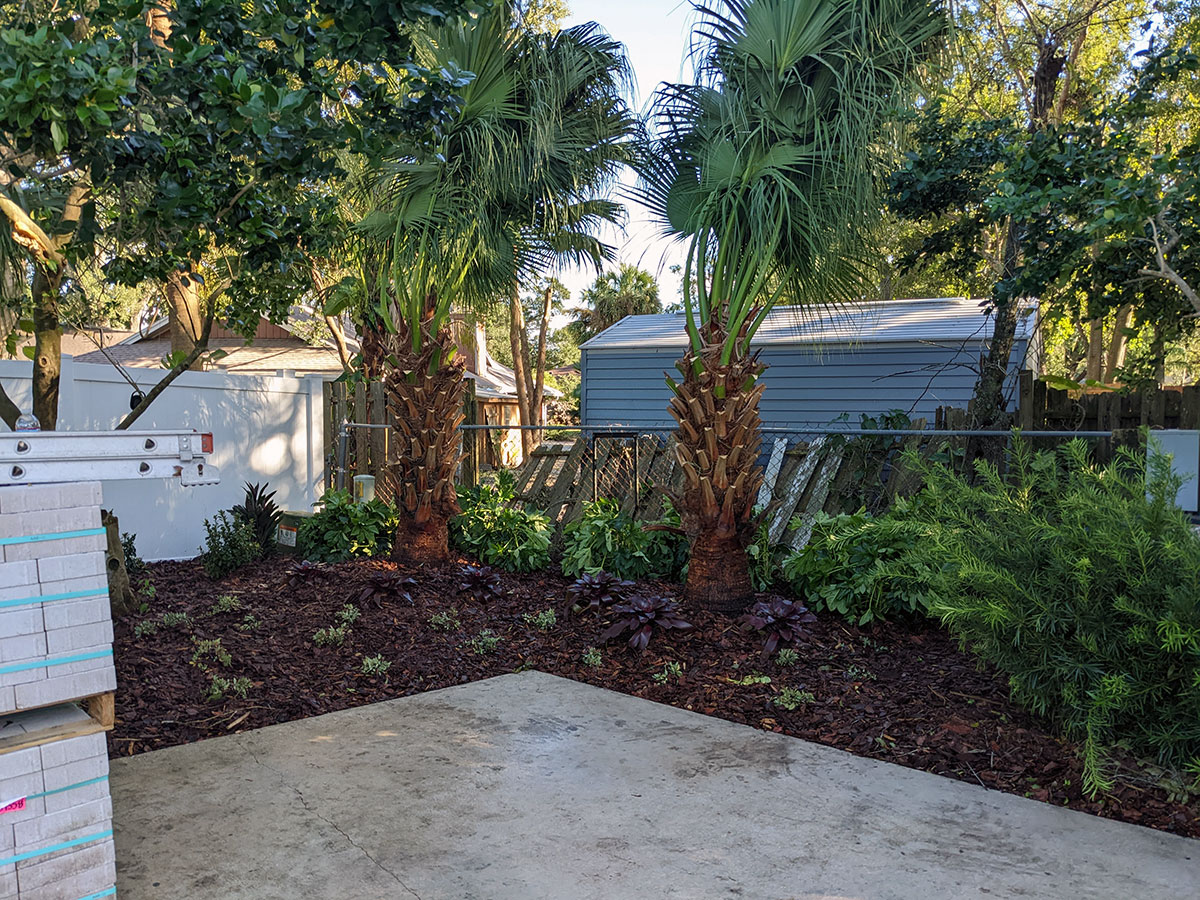
How Proper Planning Helps Prevent Landscape Installation Problems
Most landscape installation mistakes are preventable.
Successful projects begin with a clear understanding of site conditions, water movement, grading requirements, irrigation needs, planting strategies, and installation sequencing. When these factors are evaluated together, property owners are better positioned to avoid many of the problems that commonly affect new landscapes.
By approaching landscaping as a complete system rather than a collection of individual improvements, homeowners can improve long-term performance, reduce future maintenance concerns, and create outdoor spaces that remain attractive and functional for years to come.
For property owners planning landscape improvements in Lake Mary, Winter Park, Maitland, and surrounding Orlando-area communities, taking the time to evaluate drainage, grading, irrigation, plant selection, and installation sequencing before work begins can help prevent many of the problems discussed above. Our landscape installation services are designed to support long-term landscape performance through thoughtful planning, proper installation, and attention to the factors that influence success long after installation day.
Frequently Asked Questions About Landscape Installation Mistakes
Contact Quality Services for Landscape Installation in Lake Mary & the Orlando Area
Avoiding common landscape installation mistakes begins with proper planning. Whether you're installing new sod, upgrading planting beds, improving drainage, coordinating irrigation, or planning a complete landscape renovation, addressing potential issues before installation can help improve long-term performance and reduce future corrective work.
Quality Services provides professional landscape installation services throughout Lake Mary, Winter Park, Maitland, and the surrounding Orlando area, helping property owners create attractive, functional outdoor spaces built around proper grading, drainage, irrigation coordination, and thoughtful plant selection.
Call us at (407) 314-9852 or email [email protected] to schedule a consultation and discuss your landscape installation project.
Quality Services trusted and professional landscape services are available in: Lake Mary, Florida, Heathrow, Winter Park, Maitland, Orlando, Longwood, Sanford, Altamonte Springs, Winter Springs, Oviedo, Wekiva Springs, Apopka, Casselberry, Debary and Seminole County Florida. We are located at 120 E. Crystal Lake Ave. Lake Mary, FL 32746.