
Testimonials









How to Plan a Successful Landscape Installation Project in Lake Mary & Orlando
A successful landscape installation project in Lake Mary or the Orlando area begins long before the first tree, shrub, or pallet of sod arrives on site. The most attractive landscapes are often the result of careful planning that addresses drainage, grading, irrigation, and installation sequencing before any planting begins.
Whether you are improving an existing property, updating an older landscape in Winter Park, or planning a larger outdoor renovation, the decisions made early in the process often determine how well the finished landscape performs for years to come.
Central Florida landscapes must handle periods of heavy rainfall, seasonal dry conditions, sandy soils, irrigation demands, and drainage challenges. When those conditions are not considered before landscaping begins, new sod, planting beds, shrubs, trees, and landscape materials may struggle even when the finished project looks good at first.
A better approach is to evaluate the property as a complete system. Site conditions, water movement, grade changes, irrigation coverage, hardscape features, plant selection, and installation order all work together. When they are planned together, the finished landscape is more likely to remain functional, attractive, and easier to maintain over time.
Start With a Site Evaluation
Every landscape installation project should begin with a thorough evaluation of the property.
Existing grades, drainage patterns, sun exposure, irrigation coverage, soil conditions, and elevation changes can all influence the success of the finished landscape. What works well in one area of a property may not work in another.
A careful site evaluation helps identify limitations before installation begins and allows potential problems to be addressed before significant investments are made in plants, sod, mulch, stone, or other landscape materials.
For example, low areas that collect water after heavy rainfall may require corrective measures before planting beds, turf areas, or decorative landscape features are installed.
Review Drainage Conditions Early
One of the most common mistakes is treating drainage as an afterthought.
Standing water, erosion, runoff issues, and soggy turf rarely disappear simply because new landscaping has been installed. In many cases, landscape improvements can make existing drainage issues more noticeable if water movement is not addressed first.
Before beginning a landscape installation project, homeowners should understand how water currently moves across the property and where drainage concerns exist.
Existing drainage conditions may influence grading decisions, planting locations, turf selection, irrigation planning, hardscape placement, and the overall project layout.
When water movement is already affecting the yard, landscape drainage services may need to be considered before new sod, planting beds, or landscape materials are installed.
Our article on effective landscape drainage solutions also explains how different drainage approaches may be used when standing water, runoff, or saturated lawn areas are present.
Evaluate Grades and Elevation Changes
The way a property slopes has a direct impact on drainage, irrigation efficiency, plant health, and the stability of landscape features.
Improper grades can contribute to standing water, erosion, settlement, and other issues that often become more difficult to correct after installation is complete.
Properties with noticeable elevation changes may require additional planning before landscaping begins.
In some situations, retaining walls may be necessary to stabilize soil, create usable planting areas, and establish proper grades before landscape installation can proceed.
Plan Hardscape Features Before Landscaping
Many landscape projects include more than plants and turf.
Patios, walkways, retaining walls, edging, seating areas, and other hardscape features often influence the layout, finished grades, and functionality of the surrounding landscape.
These features can determine where planting beds belong, how people move through the space, where water drains, and how elevation changes are handled. If hardscape work is added after landscaping is complete, newly installed sod, plants, mulch, or irrigation lines may need to be disturbed.
In most cases, structural improvements should be planned and installed before final landscaping begins.
Completing hardscape improvements first helps establish finished grades, define planting areas, improve drainage control, and reduce the risk of damage to newly installed landscaping during construction.
Evaluate Irrigation Requirements
Many landscape installation projects involve changes to planting areas, turf coverage, or the overall landscape layout.
Irrigation systems are often evaluated only after the landscape is installed, but that can create avoidable problems. New planting beds may require different coverage. Sod may need consistent water during establishment. Trees and shrubs may not perform well if existing irrigation zones were designed for a different layout.
A more effective approach is to evaluate irrigation requirements during the planning phase.
Different plants have different water needs. Landscape layouts that appear balanced visually may still require irrigation adjustments if plant water requirements vary significantly across the property.
Existing sprinkler layouts may need modifications. Some areas may require improved coverage, while others may need to avoid excessive watering.
Reviewing irrigation needs before landscaping begins helps reduce future adjustments and supports healthier plant establishment.
When coverage needs to change, irrigation installation can often be coordinated with the larger landscape project instead of treated as a separate correction later.
Develop a Planting Strategy
Plant selection should be based on site conditions rather than personal preference alone.
Sun exposure, mature plant size, irrigation availability, drainage conditions, maintenance expectations, and long-term growth patterns should all be considered when selecting trees, shrubs, groundcovers, and flowering plants.
A thoughtful planting strategy helps avoid overcrowding, excessive maintenance, and premature plant decline.
Planning for future growth is especially important because newly installed landscapes often look very different several years after installation than they do on the day they are completed.
Successful installation is only the beginning. Newly installed trees, shrubs, sod, and planting beds require proper watering and early care to establish healthy root systems and long-term growth. Learn more about helping new landscapes become established in our guide to plant establishment after landscape installation.
This is particularly true when planning a landscape renovation, where existing trees, structures, drainage patterns, and irrigation systems may influence plant placement decisions.
Why Some Landscape Installation Projects Fail Before They Begin
Many common landscape installation mistakes occur during the planning process, although the resulting problems may not become apparent until months or years later.
Projects that move directly into planting without evaluating drainage, grading, irrigation requirements, hardscape sequencing, or mature plant size often encounter preventable challenges later.
Common examples include:
- Installing sod before correcting drainage problems
- Planting trees in locations with insufficient space for mature growth
- Ignoring elevation changes that affect water movement
- Failing to evaluate irrigation coverage before planting
- Installing landscape features in the wrong sequence
- Overlooking structural requirements before landscaping begins
Identifying these issues early is generally easier than correcting them after installation is complete.
What Should Happen Before Landscape Installation Begins?
Homeowners frequently ask what should happen before landscaping begins.
While every property is different, most successful landscape installation projects follow a logical planning process before any planting takes place.
This process often includes:
- Site evaluation and project planning
- Drainage review and corrective recommendations
- Grade and elevation assessment
- Retaining wall or structural planning if needed
- Hardscape planning and construction
- Irrigation evaluation and modifications
- Plant selection and layout development
- Preparation for installation activities
Completing these steps first helps reduce rework, improve project efficiency, and support better long-term landscape performance.
Establish the Proper Installation Sequence
One of the most important parts of a landscape installation project is understanding installation order.
Successful projects usually follow a sequence that allows each component to support the next.
While every property is unique, the installation process frequently includes:
- Site evaluation and planning
- Drainage improvements if needed
- Grading adjustments
- Retaining wall or structural work
- Irrigation modifications or installation
- Hardscape construction
- Planting bed preparation
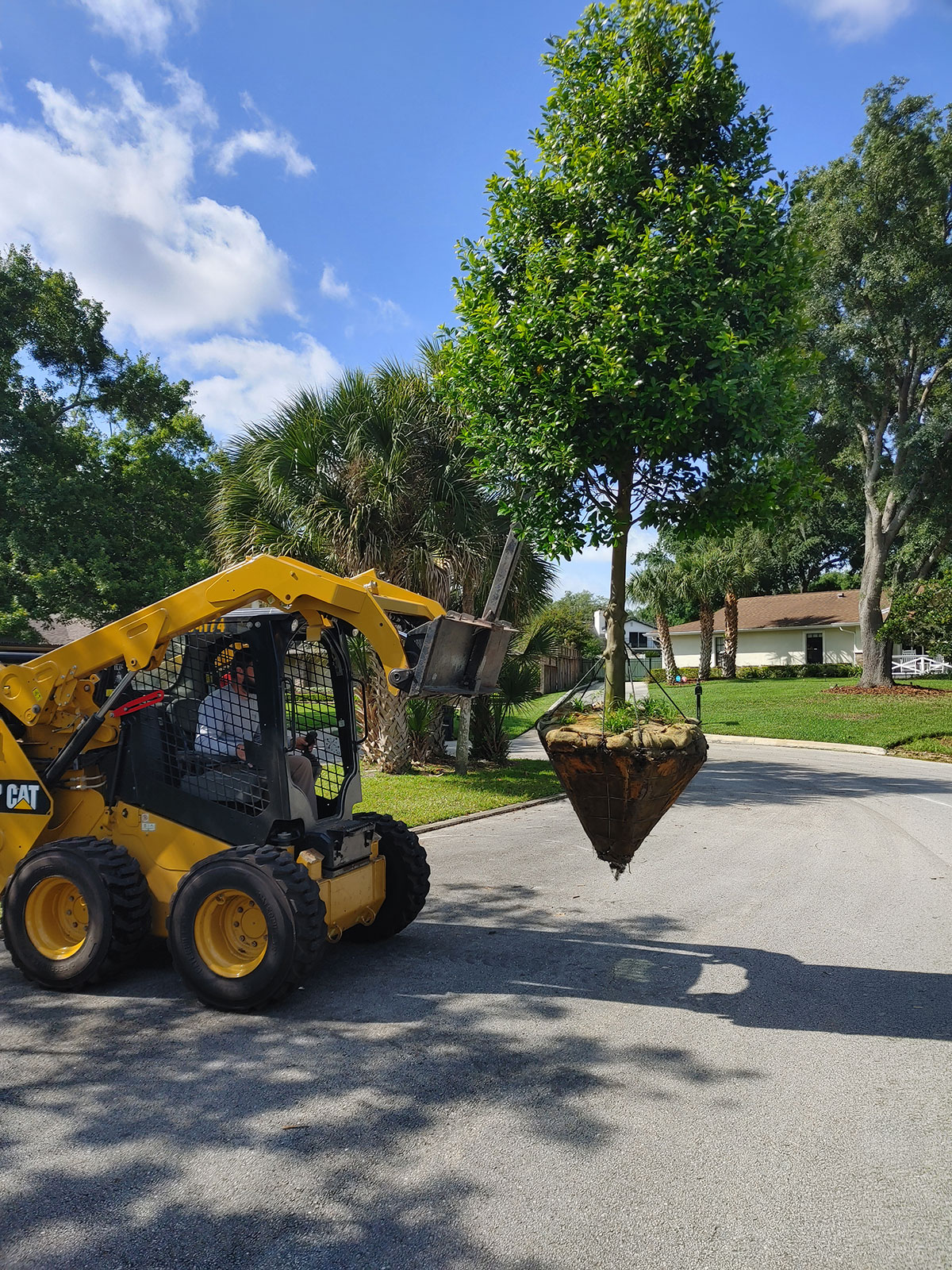
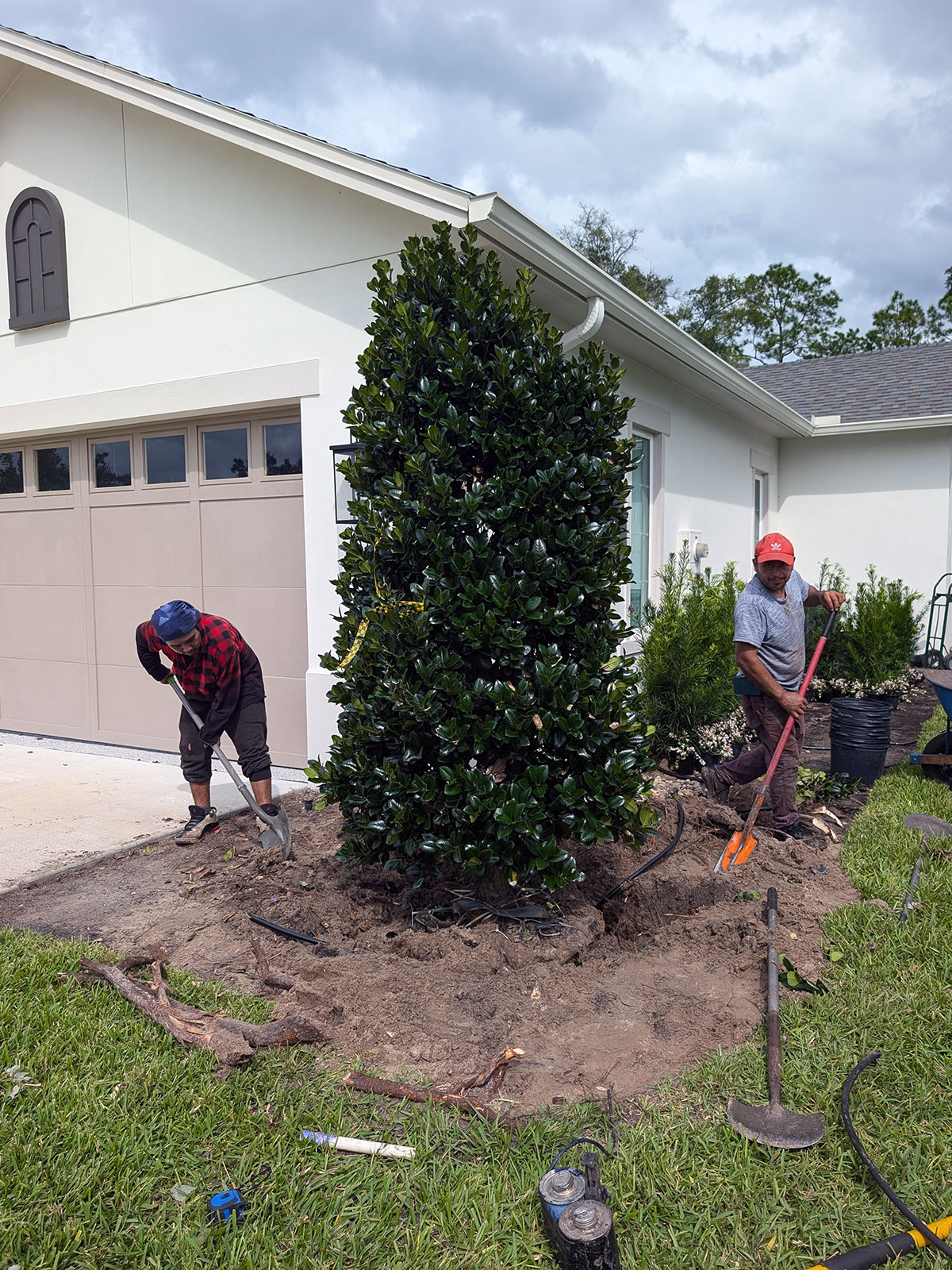
- Tree and shrub installation
- Sod or groundcover installation
- Final landscape finishing
Following an organized installation sequence helps reduce disruption, protect completed improvements, and improve overall project outcomes.
Planning Creates Better Long-Term Results
Landscape installation is often viewed as a planting project, but successful installations are rarely the result of what happens on installation day alone.
The most successful projects are usually shaped by decisions made earlier, including how drainage is handled, how grades are adjusted, whether irrigation coverage matches the new layout, how hardscape elements are sequenced, and whether plant selections fit the conditions of the property.
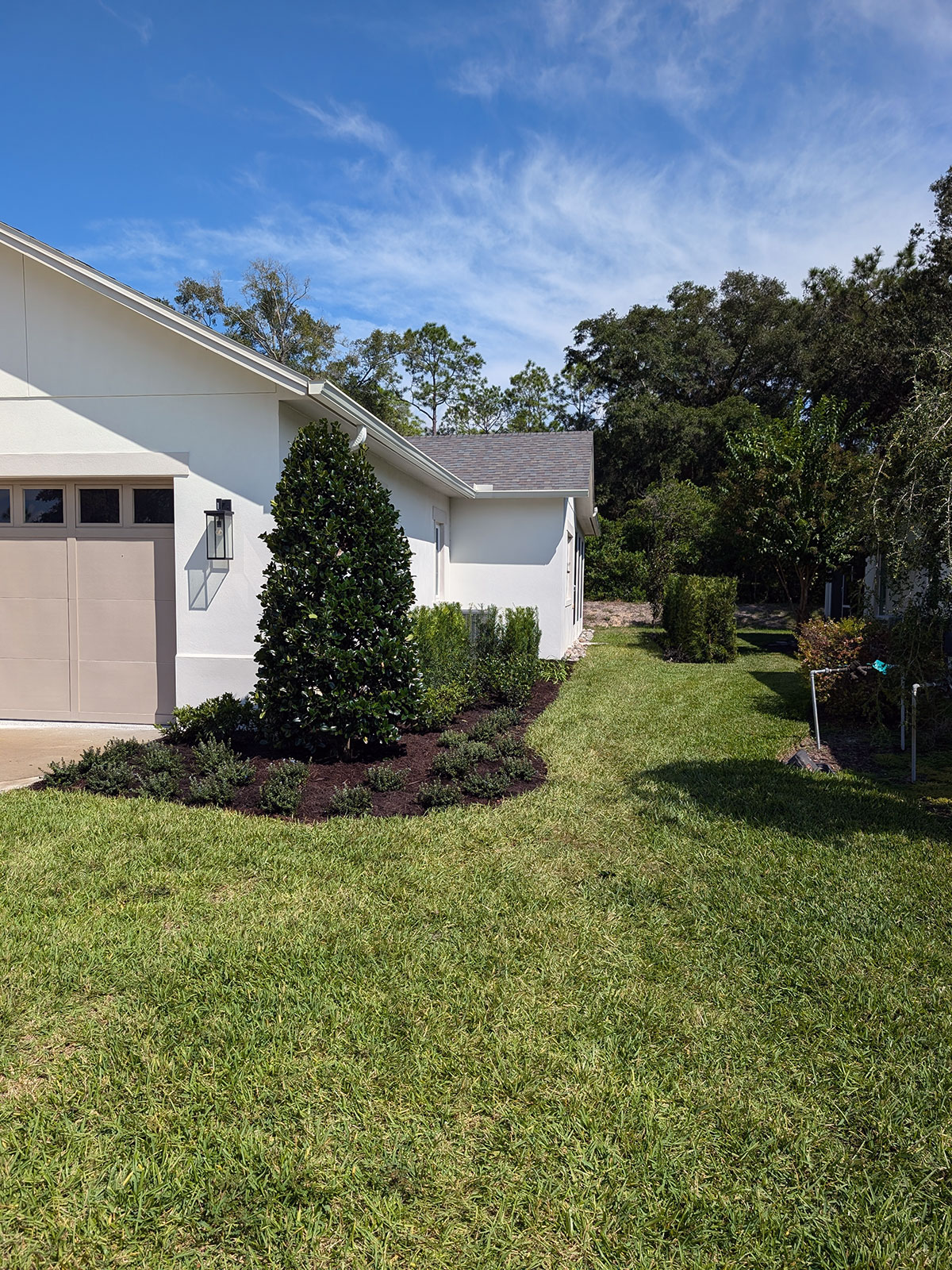
By addressing these factors before landscaping begins, homeowners can reduce future problems, improve landscape performance, and create outdoor spaces that remain functional and attractive over time.
For homeowners considering a landscape improvement project, a well-planned landscape installation creates the foundation for long-term performance. Proper evaluation, sequencing, and coordination help reduce future problems while supporting healthier plants, more effective drainage, and better overall landscape results.
Landscape installation services should account for planning, installation order, and long-term performance throughout Lake Mary and the surrounding Orlando area.
Landscape Drainage Frequently Asked Questions:
Contact Quality Services for Landscape Installation Planning in Lake Mary & Orlando
Whether you are planning a new landscape installation, updating an existing landscape, or preparing for a larger landscape renovation, proper planning can help identify drainage concerns, irrigation requirements, grading challenges, and installation sequencing issues before work begins. Addressing these factors early often helps improve long-term landscape performance and reduce avoidable problems later.
Quality Services provides professional landscape installation services throughout Lake Mary and the Orlando area, helping homeowners coordinate drainage, irrigation, hardscapes, planting, and overall project planning to create functional and attractive outdoor spaces.
Call us at (407) 314-9852 or email [email protected] to discuss your landscape installation project and develop a plan designed for long-term success.
Quality Services provides professional landscape installation services throughout Central Florida. Our trusted and experienced landscape services are available in: Lake Mary, Florida, Heathrow, Winter Park, Maitland, Orlando, Longwood, Sanford, Altamonte Springs, Winter Springs, Oviedo, Wekiva Springs, Apopka, Casselberry, Debary and Seminole County Florida. We are located at 120 E. Crystal Lake Ave. Lake Mary, FL 32746.